Shinto Shrines
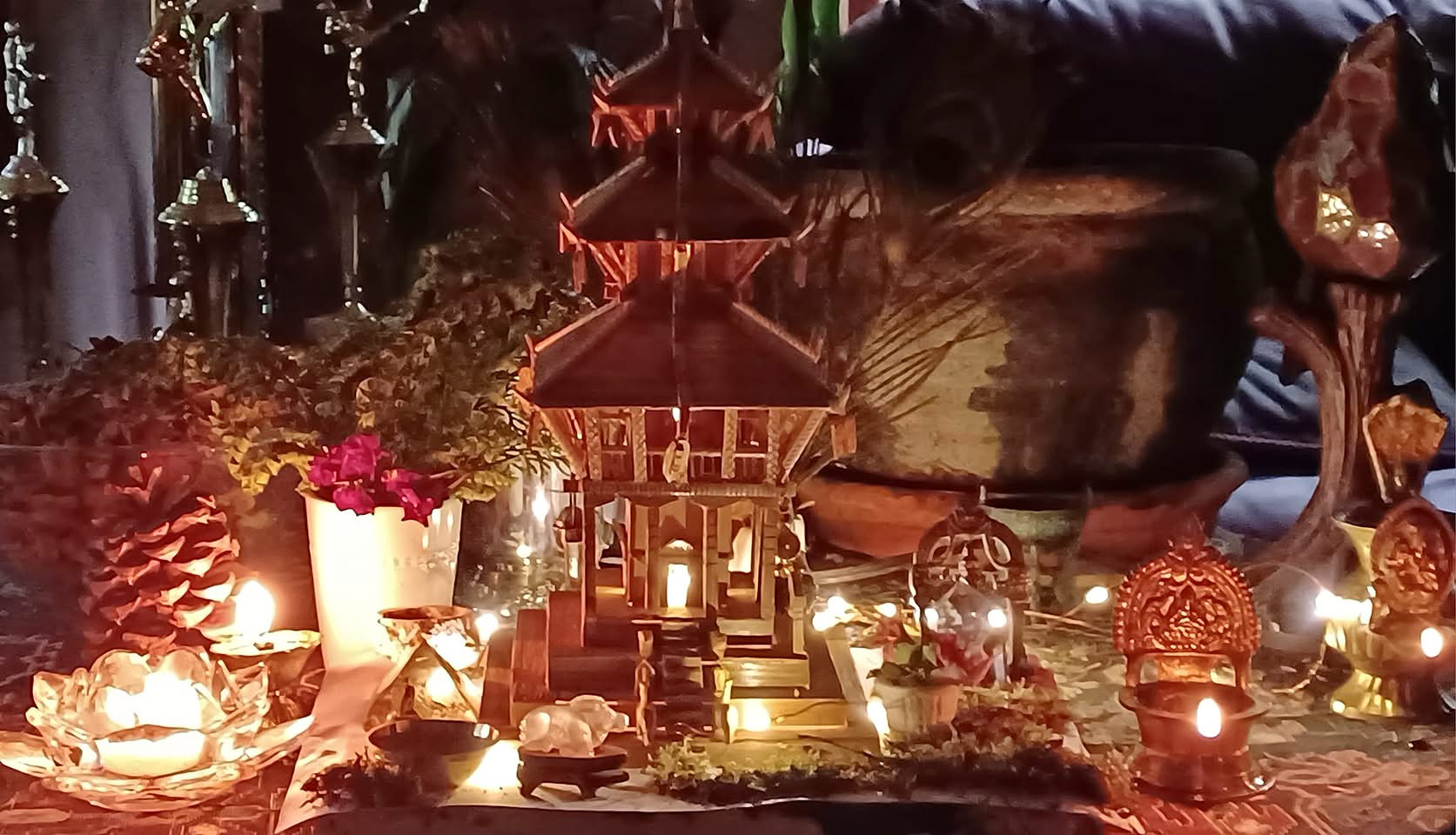
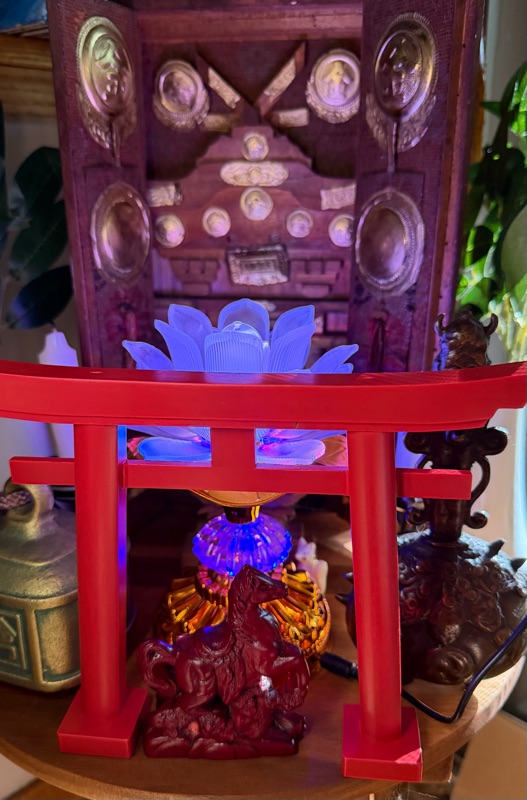
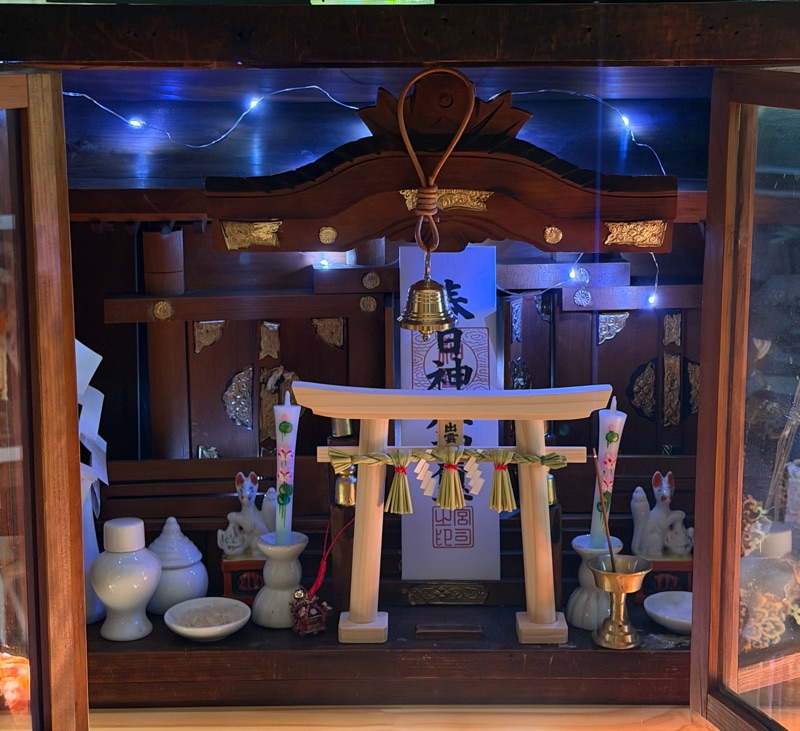
Here are examples of household shrines and portable shrines. The household shrine is known as a kamidana and the portable shrine is known as a zushi. The top photo is a hand crafted miniature reproduction of a temple in Nepal, sent to me a few years ago
In Japan, a number of different traditions, both foreign and original to Japan, combined ultimately to create gods and other beings that had complex rich stories. Some of these gods came from Nepal and India and their names as well as their attributes gradually changed.
In ‘Guardians of Azuma’, not only do you have shrines in each village as your own home but you can build pilgrimage sites as you obtain the recipes for them.
As Buddhism attained greater popularity and political power, native deities often were replaced with traditional Buddhist statues. Even so, there was a tendency often to accommodate more than one religious tradition at ancient sacred places, and that was an admirable method by which religious tolerance was maintained and spiritual enlightenment expanded.

